
 English
 русский
 中文简体
中文简体 Español
 Deutsch
 عربى
عربى

Cotton Sport Tape: Characteristics and Applications
Content
What are the common types of Cotton Sport Tape?
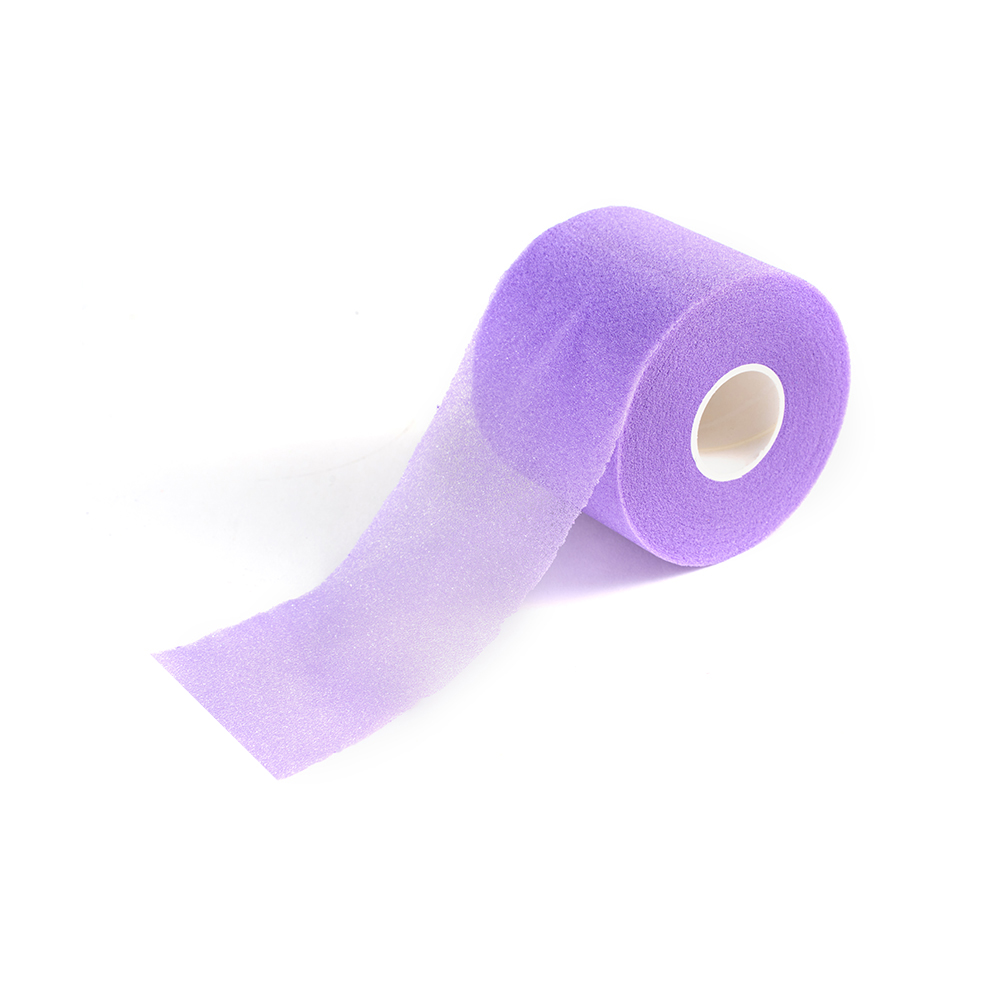
The classification of cotton sport tape is generally based on its backing material composition and specific functional enhancements.
- Traditional Woven Cotton Tape: This is the standard type, featuring a plain weave of 100% cotton or a high-percentage cotton blend. It offers good breathability and a natural feel but has minimal inherent stretch. Its support comes from the application technique and the tape's tensile strength.
- Elastic Cotton Tape (Kinesiology-style): This type incorporates significant elasticity into the cotton or cotton-blend backing. It is designed to stretch longitudinally, typically by 130-180% of its original length, and recoil. This allows for dynamic support that restricts harmful ranges of motion while permitting functional movement. It is often used for muscle support and proprioceptive enhancement.
- Cohesive Flexible Tape (Self-Adhesive): While the backing may be cotton-based, the defining characteristic of this type is its cohesive adhesive. It sticks only to itself, not to skin or hair. It is used for compressing and wrapping areas without adhesive residue, commonly for securing dressings or providing light compression for swollen joints.
- Hypoallergenic and Sensitive Skin Variants: These tapes use a specially formulated mild adhesive and sometimes a softer backing to minimize the risk of skin irritation, redness, or itching for users with sensitive skin or those requiring prolonged wear.
Cotton Sport Tape is commonly used in…
The application of cotton sport tape is driven by its supportive, protective, and preventive functions across various activities and injury scenarios.
- Joint Stabilization and Support: It is frequently applied to joints that are prone to hyperextension or minor instability. Common sites include the ankles (for sprain prevention or post-injury support), fingers (for taping "buddy" fingers together), wrists, and thumbs. The tape provides external ligamentous support, limits extreme or painful ranges of motion, and enhances proprioceptive feedback—the body's awareness of joint position—which can help prevent re-injury during activity.
- Muscle and Tendon Support: For muscle strains or tendonitis, elastic cotton tape can be applied in specific patterns to offload the affected tissue. It can provide gentle compression, reduce muscle vibration during impact, and offer a constant tactile cue to modify movement patterns that aggravate the condition, such as in cases of Achilles tendonitis or patellar tendon pain.
- Securing Dressings and Padding: A primary first-aid use is to hold non-adhesive gauze pads, wound dressings, or protective pads (like blister pads or molefoam) securely in place. Its flexible and breathable nature makes it more comfortable for this purpose than plastic tapes, especially over joints or areas that flex.
- Preventive Taping and Prophylaxis: In sports with high injury rates to specific joints, athletes often use tape preventively. For example, basketball and volleyball players may tape their ankles before games or practices to reduce the risk of inversion sprains. This is a common practice even in the absence of a current acute injury, based on individual injury history and perceived risk.
Cotton Sport Tape Usage Instructions
Correct application is necessary for the tape to be effective and to avoid skin irritation or circulation issues.
Preparation and Application
• Skin Preparation: Ensure the application area is clean, dry, and free of oils, lotions, or sweat. Shaving dense hair is recommended for better adhesion and less discomfort upon removal. Do not apply over open wounds, fragile skin, or signs of infection.
• Anchor Application: Begin by applying an "anchor" strip of tape without stretch at both ends of the area to be supported. This provides a stable base for the functional strips.
• Functional Strip Technique: Apply the support strips with the appropriate tension (for elastic tape) or in the specific stabilizing pattern required. Avoid applying tape with full stretch circumferentially around a limb, as this can act as a tourniquet and impair circulation.
Precautions and Removal
Circulation Check: After application, check that the tape is not too tight. Monitor for signs of impaired circulation, such as numbness, tingling, coldness, or discoloration (bluish or pale skin) distal to the taped area. If any occur, remove the tape immediately.
Allergy Testing: For first-time users or those with sensitive skin, apply a small test strip to the inner forearm for 24 hours to check for an adverse reaction to the adhesive.
Safe Removal: To remove, peel the tape slowly back against itself, following the direction of hair growth if possible. Use a medical adhesive remover or oil (like baby oil) to help dissolve the adhesive if it is stubborn. Do not rip the tape off quickly.
Duration and Limitations
• Wear Time: Cotton sport tape is typically designed for short-term use during activity. It is generally not recommended to wear the same tape application for more than 24 hours, as sweat and skin oils will degrade the adhesive and the tape's supportive properties.
• Not a Substitute for Medical Care: The tape is a supportive aid and a component of injury management. It is not a treatment for serious injuries such as fractures, complete ligament tears, or significant joint instability. These conditions require proper medical evaluation and treatment.
• Maintenance: The tape's effectiveness will diminish with moisture from sweat or water exposure. It may need to be re-applied during prolonged activity.
Keep In Touch

No.455 New Town Development Road,Longgang City, Wenzhou City

 +86-0577-83728222
 +86-0577-837282222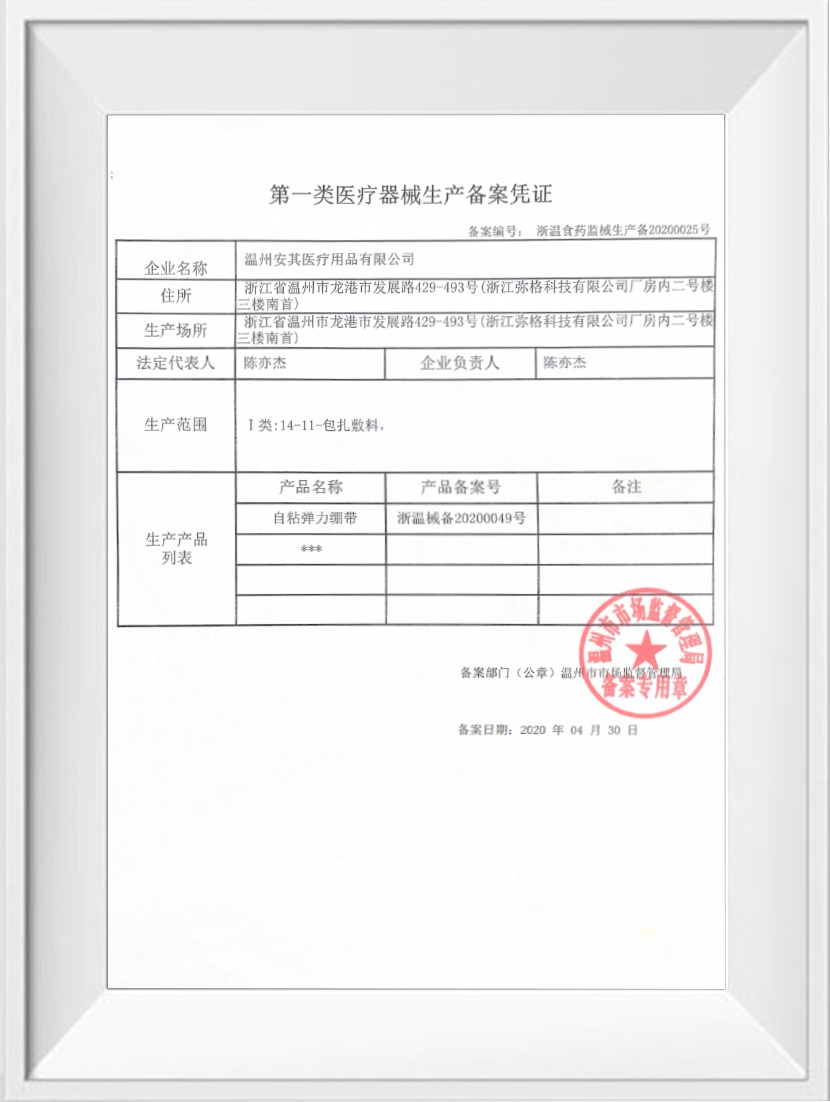
Copyright © Wenzhou Anqi Medical Supplies Co., Ltd. All Rights Reserved.
Approval No: Zhejiang Wenzhou Food and Drug Administration Machinery Production Filing No. 20200025
The information provided on this website is intended for use only in countries and jurisdictions outside of the People's Republic of China.
