
 English
 русский
 中文简体
中文简体 Español
 Deutsch
 عربى
عربى

Cotton Athletic Tape vs Kinesiology Tape: Which to Pick?
Content
- 1 What Is Cotton Athletic Tape, Really?
- 2 What Is Kinesiology Tape, and How Does It Work Differently?
- 3 Comparing Cotton Athletic Tape and Kinesiology Tape Side by Side
- 4 When Does Cotton Athletic Tape Make More Sense?
- 5 Does Cotton Tape Work for Long Term Support?
- 6 When Does Kinesiology Tape Make More Sense?
- 7 Is Kinesiology Tape Suitable for Serious Joint Instability?
- 8 Comfort and Wear Time: A Practical Consideration
- 9 Can You Use Both Types Together?
- 10 What Should Buyers and Suppliers Consider When Sourcing Athletic Tape?
Standing in the training room with two rolls of tape in hand, one rigid and white, the other stretchy and colorful, and no clear sense of which one actually fits the injury in front of you — that hesitation is more common than most trainers admit. Cotton Athletic Tape and kinesiology tape solve genuinely different problems, even though they get lumped together constantly in casual conversation. If you've ever grabbed the wrong roll and wondered why the support just wasn't holding the way you expected, this comparison breaks down exactly where each one earns its place in a training kit.
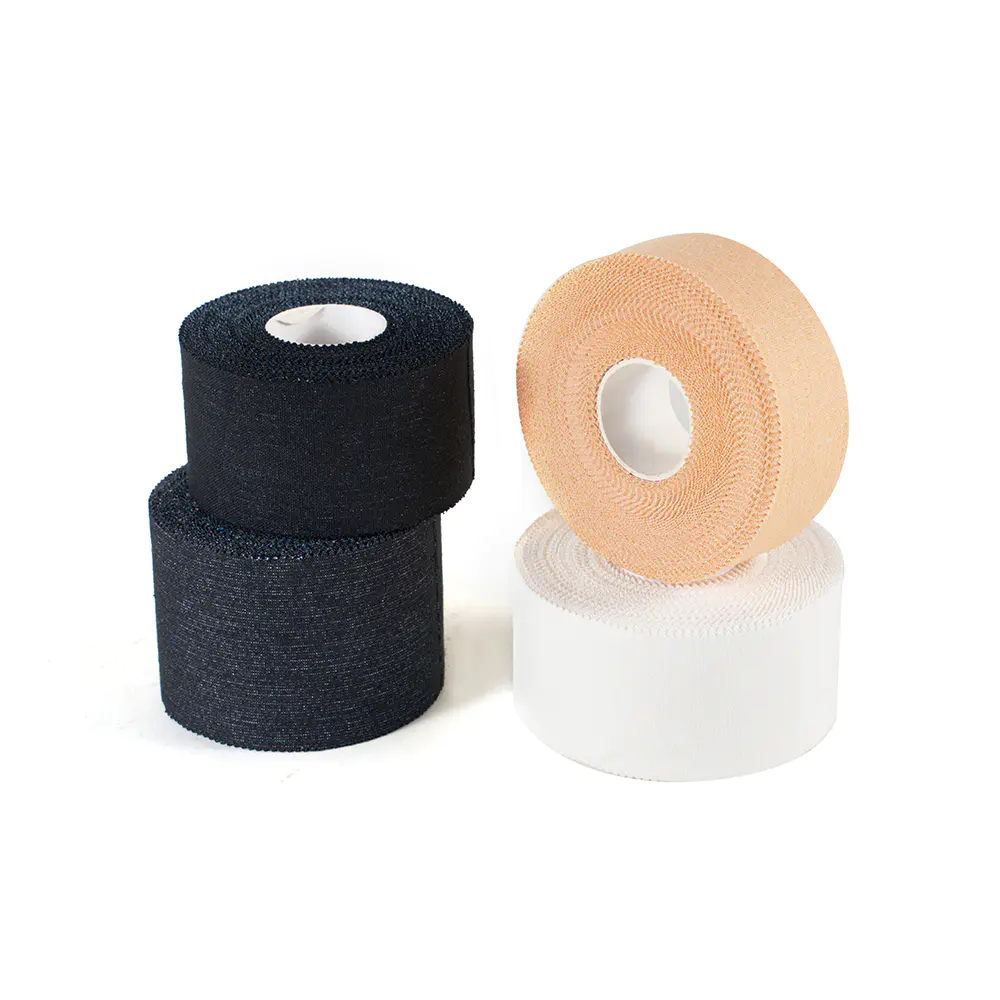
What Is Cotton Athletic Tape, Really?
Cotton Athletic Tape is a rigid, non-stretch (or minimally stretch) adhesive tape traditionally used to immobilize joints and limit range of motion during activity. Think ankles taped before a game, wrists secured before a lift, fingers wrapped before contact sports. Its whole purpose is restriction — locking a joint into a safer range so it can't move into a position likely to cause injury.
The material itself is woven cotton, coated with an adhesive that grips skin firmly enough to stay put through sweat and movement. Because it doesn't stretch much, once it's applied and set, it genuinely restricts motion rather than just supporting it passively.
This rigidity is exactly what makes cotton tape so effective for acute joint stabilization, but it's also what limits its use elsewhere. Wearing it too long, or over a large muscle group meant to move freely, tends to feel restrictive in ways that go beyond what's actually helpful.
What Is Kinesiology Tape, and How Does It Work Differently?
Kinesiology tape takes a completely different approach. Built from an elastic material that stretches to mimic the elasticity of skin itself, it's designed to move with the body rather than against it. Instead of locking a joint in place, kinesiology tape supports muscles and soft tissue while still allowing a fairly full range of motion.
The theory behind it involves lifting the skin slightly away from underlying tissue, which some practitioners believe improves circulation and reduces pressure on pain receptors beneath the surface. Whether or not every claimed benefit holds up under scrutiny, its practical use in muscle support and mild joint assistance has become widespread across both professional and recreational sports settings.
A Kinesio pre cut knee support tape, for example, comes shaped specifically for knee application, saving practitioners the time of cutting custom strips while still delivering that flexible, skin-mimicking support kinesiology tape is known for.
Comparing Cotton Athletic Tape and Kinesiology Tape Side by Side
| Factor | Cotton Athletic Tape | Kinesiology Tape |
|---|---|---|
| Material Stretch | Minimal to none | High elasticity |
| Primary Function | Joint immobilization | Muscle and soft tissue support |
| Range of Motion Impact | Restricts movement | Allows near-normal movement |
| Typical Wear Duration | Shorter, event-based use | Longer, multi-day wear common |
| Common Application Areas | Ankles, wrists, fingers | Knees, shoulders, back, larger muscle groups |
| Skin Sensitivity Considerations | Can feel stiff against skin over time | Generally more breathable and flexible |
Looking at this comparison, the underlying distinction becomes fairly obvious. These two products aren't really competing for the same job. One restricts, the other supports while allowing movement, and picking between them really comes down to what the injury or activity actually calls for.
When Does Cotton Athletic Tape Make More Sense?
Certain situations call clearly for rigid support rather than flexible assistance. A few scenarios where cotton tape tends to be the more appropriate choice:
- Acute ankle sprains requiring restricted lateral movement during activity
- Finger taping in contact sports like basketball or volleyball, where hyperextension risk is high
- Wrist stabilization for lifting or gymnastics where excessive flexion needs limiting
- Pre-emptive taping for athletes with a history of joint instability in a specific area
The common thread across these situations is a need to physically prevent a joint from moving into a dangerous position, rather than simply supporting muscle function during normal movement.
Does Cotton Tape Work for Long Term Support?
Not particularly well, honestly. Because it doesn't stretch and tends to lose adhesive effectiveness with sweat and movement over extended periods, Cotton Athletic Tape is generally better suited for single event or short duration use rather than multi-day wear. Athletes typically reapply fresh tape before each game or training session rather than expecting one application to hold up across several days.
When Does Kinesiology Tape Make More Sense?
Kinesiology tape tends to shine in situations calling for ongoing support without sacrificing mobility. Common applications include:
- Muscle strain recovery where continued gentle movement supports healing
- Postural support for the back or shoulders during repetitive activity
- Knee support during running or other high impact activities, where a Kinesio pre cut knee support tape option offers convenient, consistent application
- General swelling reduction support, particularly around joints prone to mild inflammation
Because kinesiology tape can typically stay applied for several days at a time, it suits ongoing rehabilitation programs or athletes managing a nagging issue across an extended training block rather than a single event.
Is Kinesiology Tape Suitable for Serious Joint Instability?
Generally, no. Kinesiology tape's elastic nature means it simply doesn't provide the rigid restriction needed for genuinely unstable joints or acute sprains requiring real immobilization. For those situations, Cotton Athletic Tape or a structured brace remains the more appropriate choice, with kinesiology tape better reserved for softer tissue support once acute instability has been addressed through other means.
Comfort and Wear Time: A Practical Consideration
Beyond the functional differences, comfort during extended wear plays a real role in which product athletes and clinicians actually reach for repeatedly.
Cotton Athletic Tape, being rigid and less breathable, tends to feel noticeably restrictive after several hours, which is part of why it's rarely worn beyond a single training session or competition. Kinesiology tape, thanks to its stretch and generally more breathable material, tends to feel comfortable enough for multi-day wear without the same sense of restriction building up over time.
That said, skin sensitivity varies considerably between individuals, and some athletes find the adhesive in either product irritating with prolonged use regardless of material flexibility. Testing a small patch before committing to full application, particularly for kinesiology tape meant for extended wear, remains a sensible practice for anyone with sensitive skin.
Can You Use Both Types Together?
Some practitioners do combine both approaches depending on the injury and treatment phase. A common pattern involves using Cotton Athletic Tape for acute stabilization immediately following an injury, then transitioning to kinesiology tape during the later rehabilitation phase as mobility work begins and rigid restriction is no longer necessary.
This layered approach recognizes that recovery isn't static. Early stages often call for genuine immobilization to prevent further damage, while later stages benefit more from support that encourages movement and circulation without the stiffness that rigid tape brings.
What Should Buyers and Suppliers Consider When Sourcing Athletic Tape?
For clinics, sports teams, and retailers stocking athletic tape products, understanding this functional distinction matters beyond just individual athlete preference. A few sourcing considerations worth weighing:
- Whether an athletic tape manufacturer can supply both rigid cotton and elastic kinesiology options under consistent quality standards
- Adhesive quality and skin compatibility across different climate and activity conditions
- Availability of pre-cut options, such as knee or shoulder specific kinesiology tape, that reduce application time for busy training environments
- Bulk supply reliability for organizations managing ongoing seasonal demand across multiple athletes or patients
Working with a supplier capable of covering both product categories consistently tends to simplify procurement considerably, particularly for training facilities or clinics that need both immobilization and flexible support options readily available at any given time.
Choosing between Cotton Athletic Tape and kinesiology tape really comes down to understanding what the injury or activity actually demands, rather than assuming one product universally outperforms the other. Rigid cotton tape earns its place when a joint genuinely needs restriction, while kinesiology tape serves better where ongoing muscle support and mobility both matter through a longer recovery or activity period. Wenzhou Anqi Medical Supplies Co., Ltd. works with clinics, sports organizations, and retailers navigating exactly this kind of product selection, supplying both Cotton Athletic Tape and kinesiology tape options suited to varied training and rehabilitation needs. If you're stocking up for an upcoming season or building out a clinic's taping supplies and want guidance on matching product type to actual use case, reaching out to discuss your specific requirements is a practical next step toward a more complete taping kit.
Keep In Touch

No.455 New Town Development Road,Longgang City, Wenzhou City

 +86-0577-83728222
 +86-0577-837282222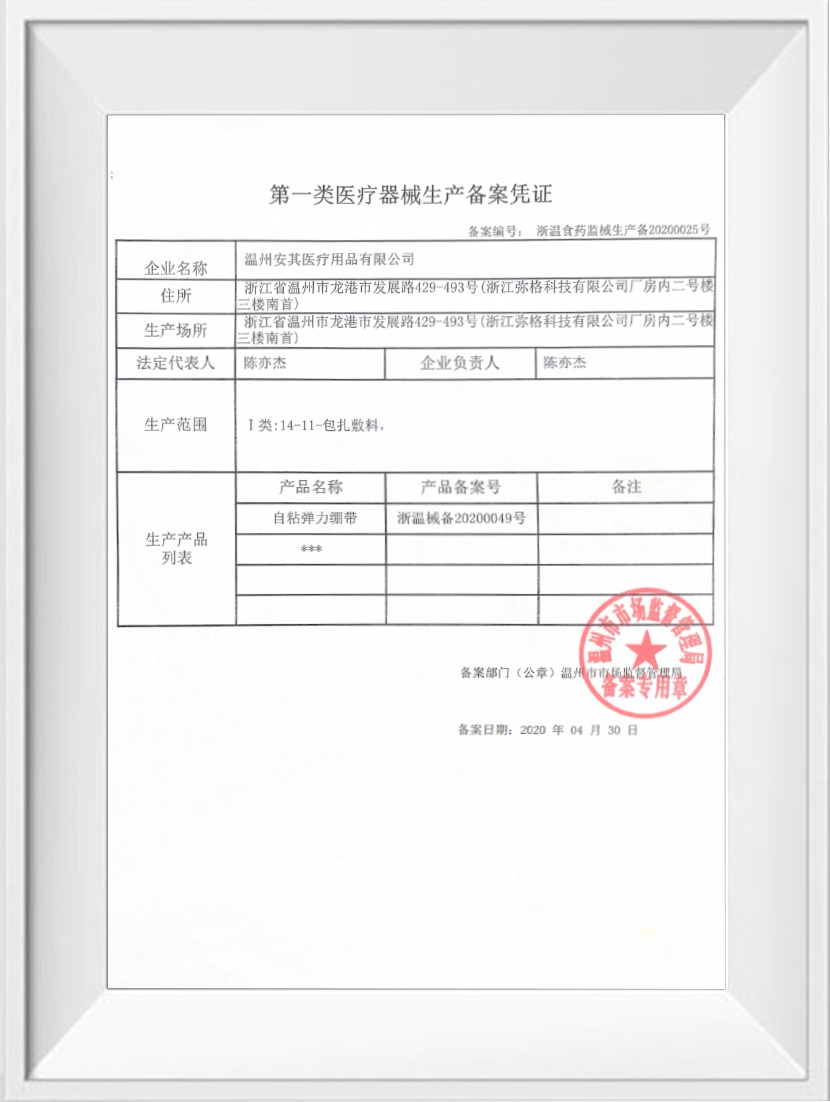
Copyright © Wenzhou Anqi Medical Supplies Co., Ltd. All Rights Reserved.
Approval No: Zhejiang Wenzhou Food and Drug Administration Machinery Production Filing No. 20200025
The information provided on this website is intended for use only in countries and jurisdictions outside of the People's Republic of China.
