
 English
 русский
 中文简体
中文简体 Español
 Deutsch
 عربى
عربى

Boob Tape Breast Lift Tape: Strong Hold & Comfort?
Content
- 1 What Adhesion Strength Actually Means
- 2 What Skin Comfort Means in Practice
- 3 Where Adhesion and Comfort Come Into Conflict
- 4 Which Should Take Priority? A Scenario-Based View
- 5 How Does Skin Type Change the Calculation?
- 6 Does Tape Width Affect the Adhesion-Comfort Balance?
- 7 What to Look for When Evaluating a Specific Product
- 8 How Should You Prepare Skin Before and After Tape Use?
You have found the dress, the occasion is set, and the only thing standing between you and wearing it confidently is finding tape that actually holds without leaving your skin irritated, red, or damaged by the end of the night. It is not a small tension to navigate — strong adhesion and skin comfort pull in opposite directions, and products that promise both do not always deliver on both equally. Boob Tape Breast Lift Tape sits at the center of this trade-off, and understanding what actually determines adhesion strength and skin tolerance helps cut through the noise and find something that genuinely works for the specific situation you are dressing for.
What Adhesion Strength Actually Means
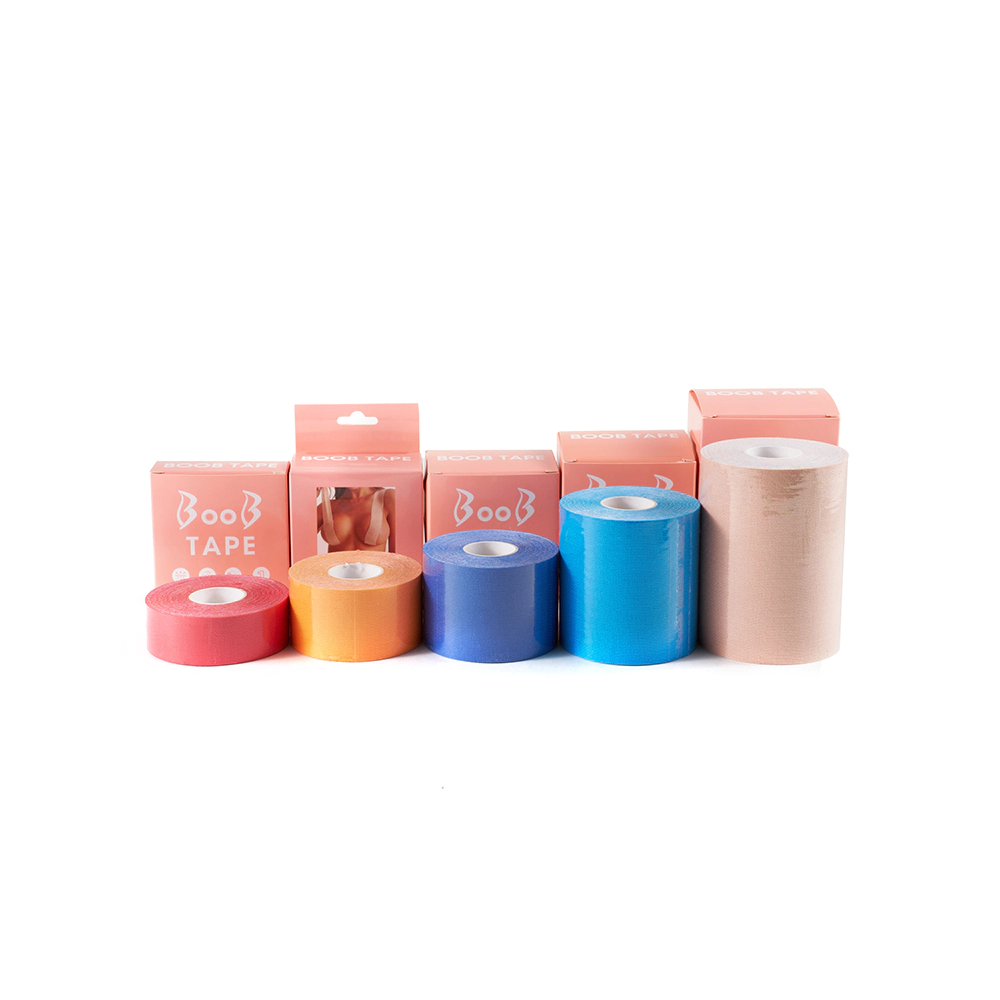
The Physical Mechanism Behind Hold
Adhesion strength in breast lift tape refers to how much resistance the adhesive provides against the downward and lateral forces acting on breast tissue during wear. Heavier breast tissue creates more force. Movement, body heat, and perspiration all reduce the effective adhesion over time, so the relevant measure of adhesion is not just initial grab but sustained hold across the duration of wear.
A tape with strong initial adhesion that releases within two hours under body heat does not serve the purpose for an event lasting a full evening. Sustained adhesion under real conditions — warmth, movement, humidity — is what the specification actually needs to meet.
What Affects Adhesion Performance
Several factors determine whether a tape holds across the full wear period:
- Adhesive chemistry: Acrylic-based adhesives generally offer stronger and more durable hold than silicone-gel alternatives; medical-grade formulations are designed to maintain bond integrity under skin temperature and perspiration
- Tape backing material: A rigid or semi-rigid backing distributes tension more evenly than a fully flexible backing, which reduces the concentration of peel force at any single point
- Application technique: Adhesion performance depends heavily on clean, dry, product-free skin at the point of application — oils, lotions, and residual moisture all interfere with bonding
- Skin surface variation: Skin with more texture, hair, or natural oil production will generate lower adhesion than smoother, drier skin
What Skin Comfort Means in Practice
Skin Compatibility Is Not the Same as Gentleness
Skin comfort in tape use involves two related but distinct concerns. The first is whether the adhesive itself is biocompatible — meaning it does not trigger allergic response, chemical irritation, or sensitization with repeated use. The second is whether the mechanical process of wearing and removing the tape causes physical trauma to the skin surface.
A tape can be chemically gentle but mechanically harsh if it is removed quickly or incorrectly. Conversely, a stronger adhesive that is removed slowly and carefully may cause less actual skin damage than a weaker tape removed impatiently.
Indicators of Skin-Friendly Formulation
When evaluating whether a tape is appropriate for skin contact:
- Hypoallergenic adhesive: Indicates the formula has been designed to reduce the incidence of allergic response, though individual sensitivity still varies
- Breathable backing: Fabric or perforated backings allow moisture vapor to escape rather than trapping humidity against the skin, which reduces maceration and irritation during extended wear
- Medical-grade certification: Products developed under medical adhesive standards have undergone biocompatibility testing that general cosmetic tapes have not
- Low-trauma removal design: Adhesives formulated for extended skin contact are typically designed to release gradually rather than all at once, which reduces tearing and stripping of the surface layer
Where Adhesion and Comfort Come Into Conflict
Strong adhesion requires a robust bond between the adhesive and the skin surface. That bond, by definition, creates resistance when the tape is removed. The stronger the bond, the more force is required to break it — and more removal force means more potential for physical trauma to the skin.
This is the core tension, and it does not fully resolve. What changes across products is how the trade-off is managed:
- Some formulations use graduated adhesive strength — bonding firmly over the first hour as the adhesive cures against skin temperature, then maintaining hold without further increasing bond strength
- Fabric backing spreads the removal force over a larger area, reducing the pressure per point and making removal less traumatic even when the adhesive is strong
- Skin preparation products — barrier wipes applied before taping — can reduce adhesion slightly but also reduce the direct contact between the adhesive chemistry and the skin surface, lowering irritation risk
None of these completely eliminates the trade-off. They manage it to varying degrees depending on the adhesive formula and how the product is designed.
Which Should Take Priority? A Scenario-Based View
| Use Scenario | Adhesion Priority | Comfort Priority | Why |
|---|---|---|---|
| Boob Tape Wedding — all-day event | High | High | Long wear duration with high movement demands both |
| Strapless dress for a short event | Moderate | Moderate | Shorter duration reduces cumulative skin stress |
| Stick on Boob Tape for active wear | High | Moderate | Movement and perspiration demand sustained hold |
| Safe Boob Tape for sensitive skin | Moderate | High | Skin tolerance takes priority over maximum hold |
| Backless dress photography session | High | Moderate | Strong hold needed; limited movement reduces skin stress |
| Daily or repeated use | Moderate | High | Repeated adhesive contact increases cumulative irritation risk |
The scenario shapes the weighting. A Boob Tape Wedding application involves a full day of wear, movement, heat, and emotional investment in the outcome — both adhesion and comfort matter equally and neither can be deprioritized. An occasional short-wear situation allows more tolerance for a stronger adhesive with less focus on extended skin comfort.
How Does Skin Type Change the Calculation?
Sensitive or Reactive Skin
Skin that is prone to contact dermatitis, rosacea, eczema flare-ups, or general chemical sensitivity needs a hypoallergenic adhesive formulation regardless of the hold requirement. A strong-adhesive tape used on reactive skin may hold perfectly but leave the skin inflamed, broken, or sensitized — an outcome that is not acceptable regardless of the outfit.
For sensitive skin, the practical approach is to use a Safe Boob Tape formulation with a gentler adhesive and accept that maximum hold performance may require more careful application, slightly narrower tape strips for targeted placement, or a layer of skin barrier product to reduce direct adhesive contact.
Oily or Perspiration-Prone Skin
Skin that naturally produces more oil or sweat reduces adhesion from any tape formulation. The response is not to choose an even stronger adhesive — it is to prepare the skin correctly. Cleanse and dry the application area thoroughly, and if perspiration is expected during the event, consider using a mild antiperspirant on the skin surface prior to application and allowing full drying time before applying the tape.
Using a stronger tape on poorly prepared, oily skin will not improve the outcome and may increase irritation risk without improving hold.
Does Tape Width Affect the Adhesion-Comfort Balance?
It does, in a way that is worth understanding. Wider tape distributes the lifting force across more skin surface area. This means each square centimeter of skin carries less mechanical load, which reduces the potential for tearing during wear and removal. A wider strip can provide equivalent support to a narrower strip with less localized stress on the skin.
This also affects how the tape is felt during wear. Narrower strips with higher adhesive concentration can feel more restrictive and create more noticeable pressure lines. Wider strips spread the contact more evenly, which many wearers find more comfortable across a full event.
For Stick on Boob Tape applications where the tape needs to cover more surface area — fuller coverage styles or asymmetric necklines — wider tape also allows better control over the shape achieved, since fewer separate strips are needed to create the same effect.
What to Look for When Evaluating a Specific Product
Adhesive Type and Certification
Medical-grade acrylic adhesive has the strongest track record for both sustained hold and biocompatibility in extended skin contact applications. It is used in wound care and post-surgical dressings precisely because it was developed to maintain bond integrity on skin over time without causing chemical damage.
Silicone-gel adhesives are gentler in feel and easier to remove but typically offer lower sustained hold, particularly in warm conditions where the silicone softens. For events with significant heat or activity, silicone-based tapes may not provide the holding performance the situation requires.
Backing Material and Breathability
Fabric-backed tapes — woven or non-woven textile materials rather than plastic films — allow moisture vapor exchange through the tape. During extended wear, this reduces the buildup of heat and humidity trapped against the skin. It also means the tape conforms more naturally to body movement, which reduces the peel stress that occurs at tape edges when a rigid backing is used.
For long-wear applications like a Boob Tape Wedding event, a breathable fabric backing is a meaningful feature rather than a marketing detail. The practical difference in skin condition at the end of an eight-hour event is noticeable.
Removal Instructions
A product that includes specific removal guidance is signaling that the adhesive requires careful handling. Rushing removal on a strong-adhesive tape is a primary cause of skin trauma. Using warm water to saturate the backing, applying baby oil or medical adhesive remover at the edge, and peeling slowly and close to the skin surface all reduce the force required and the potential for skin damage.
How Should You Prepare Skin Before and After Tape Use?
Before Application
- Remove all lotions, oils, and skincare products from the application area — even light body moisturizer significantly reduces adhesion
- Cleanse with a gentle, residue-free cleanser and allow the skin to dry completely — ideally wait at least thirty minutes after showering before applying
- If using a skin barrier product, apply it sparingly and allow it to dry before taping — this step is most relevant for sensitive skin or where the tape will be worn for a very extended period
- Allow body temperature to stabilize — applying tape immediately after exercise or activity when the skin is warm and damp will reduce initial adhesion
After Removal
- Apply a gentle, fragrance-free moisturizer to the area that was taped — this helps restore the skin surface and reduces irritation that develops in the hours after removal
- Avoid applying any other adhesive or occlusive product to the same skin area for at least a day after removal to allow recovery
- If redness or irritation is present, a fragrance-free soothing gel can help reduce discomfort — persistent irritation that lasts beyond a day is a signal that the adhesive was not compatible with the specific skin type
Choosing between adhesion strength and skin comfort does not have to be a concession in either direction. The right product for a specific situation is one where the adhesive formula, tape width, backing material, and application technique are matched to the occasion's demands and the wearer's skin type — and that requires knowing what each of those factors actually contributes. Boob Tape Breast Lift Tape that is designed for extended medical-grade skin contact manages the trade-off more effectively than products formulated primarily for short cosmetic use, precisely because the material engineering has been developed for skin tolerance alongside hold performance. Wenzhou Anqi Medical Supplies Co., Ltd. manufactures breast lift tapes and medical-grade adhesive skin products, with formulations covering sensitive skin, extended wear, waterproof performance, and custom OEM specifications for wholesale and retail buyers. If you are evaluating tape products for retail stocking, developing a private label line, or sourcing for a specific application requirement, reaching out to their team is a practical way to review what formulations are available and which specifications match your product and market needs.
Keep In Touch

No.455 New Town Development Road,Longgang City, Wenzhou City

 +86-0577-83728222
 +86-0577-837282222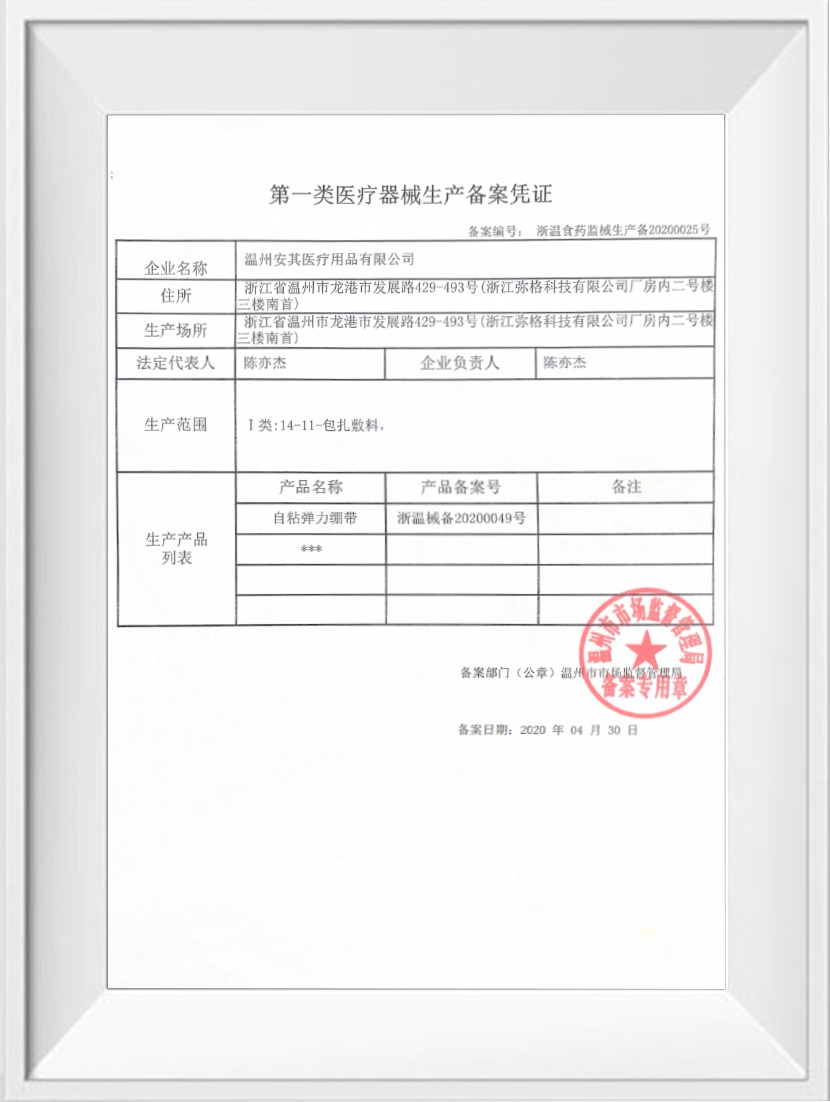
Copyright © Wenzhou Anqi Medical Supplies Co., Ltd. All Rights Reserved.
Approval No: Zhejiang Wenzhou Food and Drug Administration Machinery Production Filing No. 20200025
The information provided on this website is intended for use only in countries and jurisdictions outside of the People's Republic of China.
